
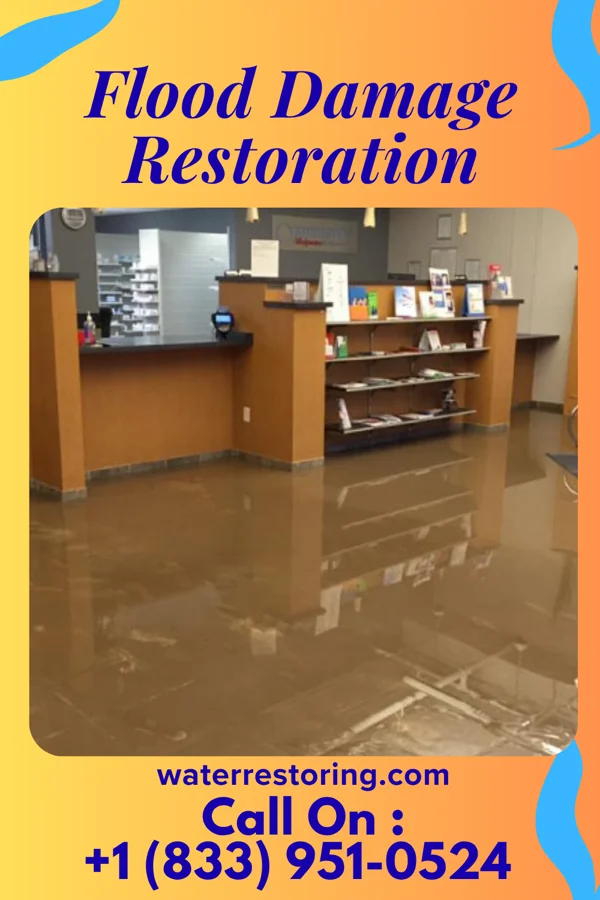
What Makes New Haven Flood-Prone
Living in New Haven means dealing with New Haven, Iowa is prone to flooding due to its location in a rural area with low-lying terrain and seasonal river overflow. Heavy rainfall from spring storms often leads to localized flooding, particularly in the agricultural areas near Riceville and Little Cedar. The town's proximity to the Cedar River increases the risk of water intrusion during extreme weather events. sooner or later. The good news: water damage is fully recoverable when you catch it fast and bring in certified technicians.
The climate in New Haven is characterized by cold winters and warm summers, with a significant amount of precipitation concentrated in the spring and early summer months. This pattern contributes to frequent flooding in low-lying areas, especially during the thawing of snow and heavy thunderstorms.
Most flood damage restoration calls in New Haven come from New Haven, Iowa is prone to flooding due to its location in a rural area with low-lying terrain and seasonal river overflow. Heavy rainfall from spring storms often leads to localized flooding, particularly in the agricultural areas near Riceville and Little Cedar. The town's proximity to the Cedar River increases the risk of water intrusion during extreme weather events.. Our team specializes in all water damage categories, including clean water, gray water, and black water, with a focus on residential and agricultural properties in New Haven. We are equipped to handle large-scale flooding events as well as minor water intrusions. Local mold risk: In New Haven, mold risk begins within 48 hours of water exposure, making rapid response critical. Our team is trained to act quickly to mitigate mold growth and prevent long-term health and structural issues.